
Shackles
Slavery in the Empire in Inba Iro

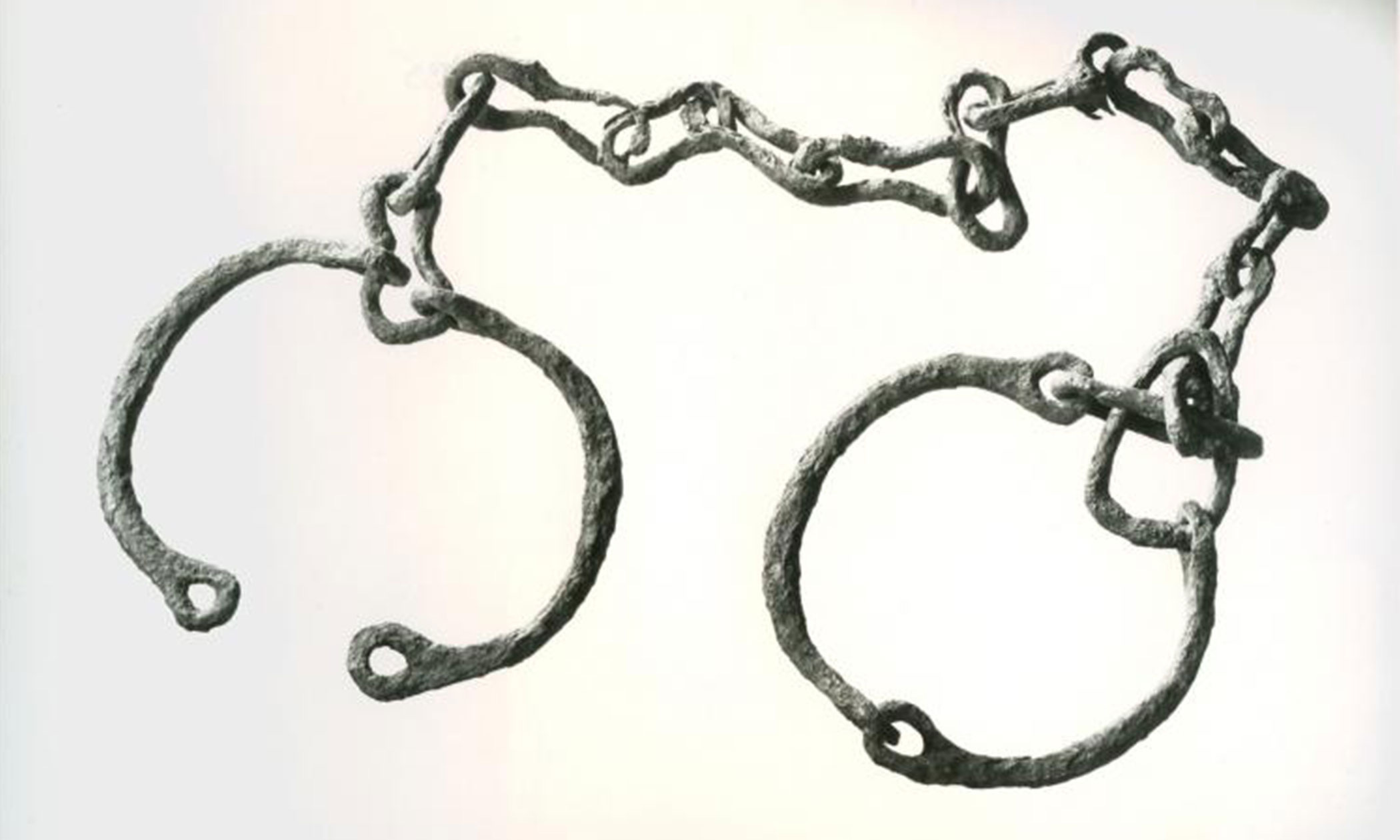
Slavery is woven into the fabric of Ironian civilization, predating even the oldest surviving texts of the House of the Undying Word. Within the grand palaces of da-Imer, beneath the mosaicked domes of the great temples, and among the meticulously ordered ranks of the bureaucracy, slaves have long performed essential roles.
Unlike the chattel slavery of other empires of sha-Arthan, Ironian slavery generally takes the form of ritual servitude, legal punishment, or hereditary obligation. There are thus slave-accountants and archivists, slave-scribes and engineers, and even slave-priests bound to the sacred charge of offering unceasing prayer to the Eternal Gods for the health, triumph, and progeny of the King-Emperor. Far from being hidden or shameful, slavery is regarded as a divine mechanism that mirrors the celestial order: just as the planets revolve in obedient cycles about the True World, so too do lesser souls serve the greater.
This ancient system was disrupted, though not destroyed, with the coming of the Chomachto. Originally a barbaric people from beyond the Northern Gate, the Chomachto brought with them a radically different worldview. They believed in freedom as a birthright of all warriors. To them, slavery was a decadent corruption, a sign of softness and hubris.
Therefore, when Magdor the Conqueror seized the Solar Throne at the head of a victorious coalition of Chomachto clans and disaffected Ironian nobles, he declared that slavery would be abolished throughout the Empire. His pronouncement was met with horror by his Ironian allies, who warned that such a disruption would unravel the very sinews of the imperial state. The irrigation systems, the census, the temples, the postal roads — all depended on slave labor and, without it, they argued, famine and revolt would surely follow.
Magdor, though a conqueror, was no fool. He compromised, shelving his abolitionist zeal in favor of gradual reform. He issued the Law of the Bound, a decree forbidding the enslavement of Chomachto and granting manumission to all slaves who served ten years in imperial service. He also created the Register of Names, requiring that all slaves be recorded by their owners under penalty of fine, an early attempt at bureaucratic oversight. Yet, even as he did this, Magdor created a paradox: the Chomachto, who despised slavery in principle, now ruled an empire whose wealth and stability depended on it. His successors, inheriting both his throne and his contradictions, found themselves caught between ancestral values and imperial necessity.
Four generations have passed since the conquest and the dream of abolition remains unfulfilled. The descendants of the Chomachto conquerors have become a noble caste, intermarried with Ironian elites, many of whom now own slaves themselves. The Register of Names endures, but enforcement is lax. Manumission is still offered for imperial service, but only a fraction of slaves can pursue such a path. A new class of freedmen has emerged, ex-slaves who have acquired property, education, and even minor titles, yet they remain socially ambiguous, distrusted by both slave and free.
Today, slavery is no longer sacrosanct, but neither is it abolished. The Order of the Bound Hands, a pacifist sect of Ironian mystics once mocked for their teachings on universal dignity, now enjoys growing popularity, especially among the urban poor. Certain border provinces, governed by idealistic Chomachto governors, have even begun experimenting with compulsory wage labor in place of slavery. But the old cities — the heart of the Empire — remain unchanged, their foundations quite literally laid by bound hands.
The Chomachto came to free the Empire from what they saw as spiritual corruption. Instead, they became its perpetuators.
That's super interesting history! Decades back I ran an traditional AD&D campaign that included a Lawful Neutral dwarven sect that practiced ritual slavery as a kind of coming-of-age rite, but it never amounted to more than just background flavor. It was intended to a challenging moral delimma for the PCs but they never pulled on that particular thread